

Seasons
Ramadan moves 11 days a year and your comparison doesn't
Your report says revenue fell 22% year over year. Aligned properly, it rose 26%. Same data, from a comparison that matched dates instead of matching seasons.
2 min read
On White Friday, if tracking breaks on day two you can still fix it and save the season.
In Ramadan, the same break runs for twenty-eight more days of high spend before anyone notices. And you usually notice during the last ten nights, when daily spend is at its peak.
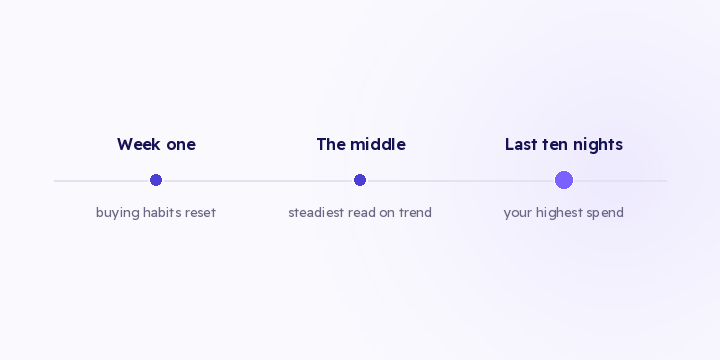
Week one. Buying habits change from day one. Categories that sold through Sha'ban go quiet and others wake up. Judging a campaign on week-one numbers means judging a transition.
The middle. The steadiest stretch, and the best window for reading a trend.
The last ten nights. Highest spend, hardest to read, because Eid demand starts overlapping with Ramadan demand.
A campaign that works in week one may be the wrong campaign for the last ten nights. A single monthly average describes none of the three.
Buying shifts to late night and the hours after Taraweeh. Three practical consequences:
Your 8am report describes a day that hasn't started yet.
Your alerts will fire wrong. Any threshold set during a normal month will read the midday lull as an anomaly, and the 2am peak as one too.
A session that starts at 11pm and converts at 1am splits across two report days, and there are far more of those in Ramadan than in any other month.
Four weeks out. Open every connected destination and confirm the credential hasn't expired. Then compare a full month of your store's orders against conversions delivered to each destination. Same checks as White Friday preparation, except the exposure runs much longer here.
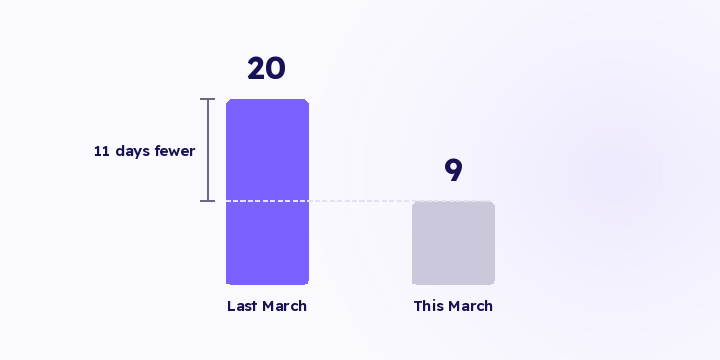
Three weeks out. Fix your baseline. Compare against last Ramadan, aligned by season day rather than calendar date, because Ramadan moves eleven days earlier each year. Day seven against day seven. More on that in why the dates lie.
Two weeks out. Freeze the theme and the tracking setup. A seasonal theme change is one of the more common causes of mid-month measurement breaks. If you have to change it, change it now.
One week out. Agree who checks what, and at what hour. An evening check suits the month's rhythm better than a morning one.
During. Three numbers each night: revenue by source, conversions delivered per destination, and pacing against target. Two minutes.
A short routine you actually run every day is worth more than a thorough one you skip after three days.
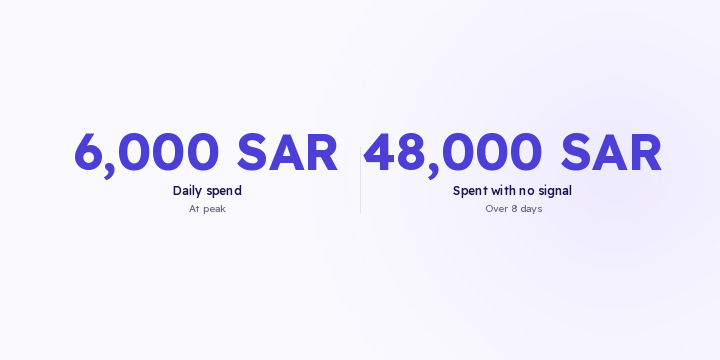
A store spending 6,000 SAR a day with tracking broken for three days loses 18,000 SAR of signal.
If that break lands in the last ten nights, the cost is higher, and the algorithm relearns from an incomplete picture during your most expensive week.
Worth being precise here: the orders weren't lost. Your store recorded them and the money came in. What was lost is the signal going back to the platform.
Credential validation on save, the live events screen, the delivered-events log and revenue by source are live today, and they cover the pre-season checks and the nightly routine above.
Automatic season alignment, saved period comparisons and automated detectors are on the roadmap and haven't shipped. Until they do, you build the Ramadan comparison by selecting both periods yourself.
Run the credential check four weeks out, and anchor your comparison to last Ramadan aligned by season day. During the month, check three numbers each night instead of writing a long weekly report.
Start campaigns earlier than feels necessary: if your buying cycle runs three weeks, a campaign launched in Ramadan week one converts during the last ten nights at best.
Treat Eid as its own period with its own baseline. Mixing it into Ramadan costs you the read on both.
Your report says revenue fell 22% year over year. Aligned properly, it rose 26%. Same data, from a comparison that matched dates instead of matching seasons.
White Friday doesn't create tracking failures. It exposes the ones you already have, while you spend four times normal. Here's the pre-season check schedule and the two minutes to run daily during it.
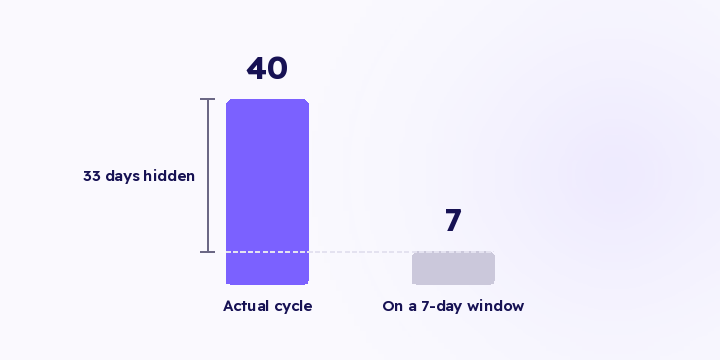
The gap between first touch and purchase is a fact about your product that no benchmark supplies. It sets your attribution window, when you start spending before a season, and how long you wait before judging a campaign.