


Seasons
Pick the report period from the question, not the default
Last 7 days, last 30 days, this month. All three were chosen for convenience, not for a question. Here's how to pick the range from the question you actually have.
2 min read
Every reporting tool offers period comparison, and almost every default is "previous period".
In a market where the seasons move, that default answers a question you didn't ask and presents the answer as performance. The difference between the three comparisons is worth five minutes once.
Same season last year. Same day count, same buying behaviour. In seasonal retail this is the only annual comparison that can judge performance, and it's the one that needs deliberate setup.
Previous period. Useful for reading a trend inside a season, useless for judging performance, because the season lifts the numbers whatever you do.
Custom period. The last ten nights against the first ten, or Eid week against the week before. Most of your real questions live here.
Most reports show the second and the reader takes it for the first. That single substitution ruins more conclusions than any attribution model choice.
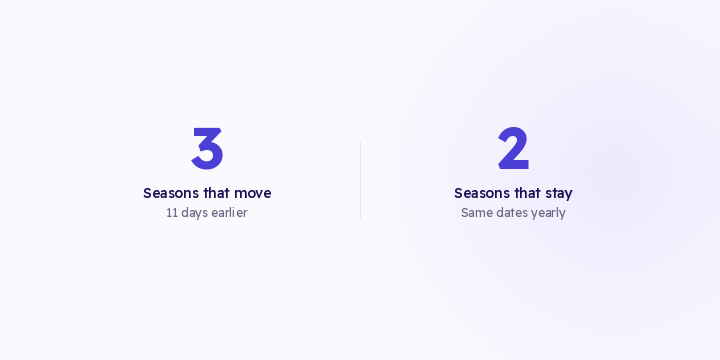
Ramadan and both Eids move about 11 days earlier each Gregorian year. National Day and White Friday stay put.
So a store that compares every season the same way is right about two of them and wrong about three. The error isn't random either. The Hijri year is consistently shorter, so the drift runs the same direction every year. It flatters you for several years running, then penalises you for several, and both stretches feel like a trend.
In practice: compare National Day and White Friday by calendar date, and Ramadan and the two Eids by season day. Write that distinction into whatever document explains your reporting, because whoever inherits it won't work it out alone.
Shade the season days on the same chart and something becomes visible that a table can't show you: where the natural lift starts, and where the effect of your work starts.
Most stores find two things the first time they do this. The season starts earlier than they thought, and the campaign they credit for the lift launched after the lift had already begun.
That one observation changes next year's spend curve more than any adjustment made inside the season. If the lift starts a week before your campaign, pull the launch forward next year instead of raising the budget.
Match season day, not calendar date. Day 1 against day 1, same number of days. Any Hijri-Gregorian calendar gives you last year's aligned dates. Fix them once and write them down.
Keep both windows the same length. Nine days against nine, not nine against twenty. Partial seasons work under the same condition: day 1 to 9 against day 1 to 9.
Fix both periods before the season starts. Decide during it and you'll pick the flattering alignment without noticing.
Write the periods out as dates. "Last Ramadan" isn't a repeatable period, and next year someone has to repeat it.
Period comparison and season shading inside Flowfy are on the roadmap and haven't shipped. Until they do, you build the comparison by selecting both periods yourself: day 1 to N this year against day 1 to N last year. It takes a minute, and the hard part is remembering to do it rather than accepting the default.
Keep previous period as your default for daily monitoring, and same season last year for any performance judgement. And remember that monthly and quarterly comparisons inherit the same drift.
Last 7 days, last 30 days, this month. All three were chosen for convenience, not for a question. Here's how to pick the range from the question you actually have.
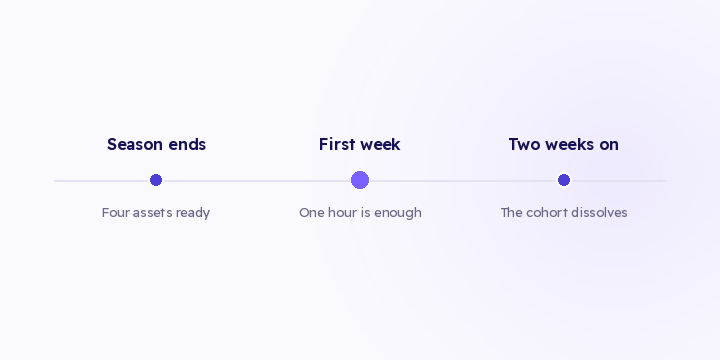
A season leaves four things behind besides revenue. All four decay within about two weeks if nobody claims them, and claiming all four is an hour of work.
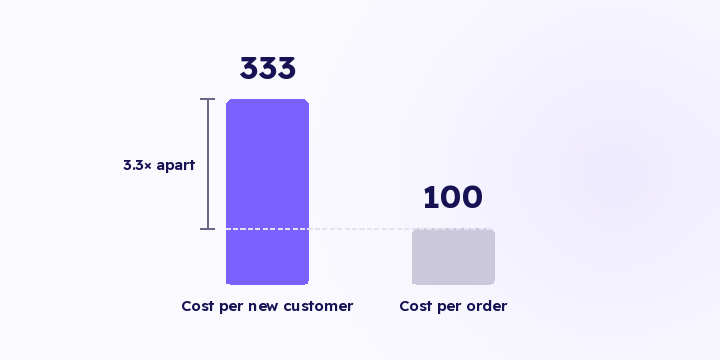
Cost per order improves during a season for a reason that has nothing to do with your ads. Divide the same spend by new customers and the decision changes.